
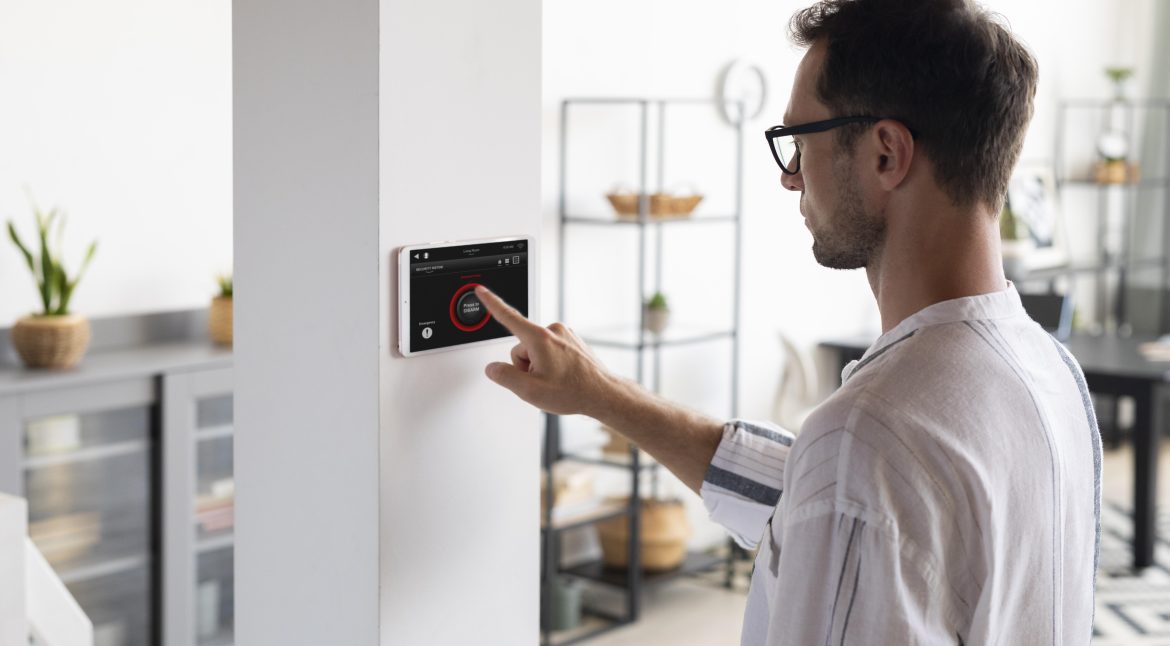
Introduction: A Smart Home Should Feel Natural, Not Complicated
Many homeowners install smart devices expecting convenience. Instead, they often end up managing multiple apps, unstable connections, and systems that stop working after a few months.
Real home automation is different.
It works quietly in the background.
It adapts to your daily routine.
It responds instantly—without confusion.
At EGAA Marketting, we design automation systems that blend into your lifestyle. No technical stress. No unnecessary complexity. Just smooth, dependable control for everyday living.
Whether you live in an apartment, villa, or independent house, your home should work for you—not the other way around.
How Home Automation Actually Improves Daily Life
Smart homes are not about showing technology. They are about saving time, reducing effort, and increasing peace of mind.
Here is how automation helps in real situations.
Living Room: Comfort at the Touch of a Button
Your living room is where family time happens, guests are welcomed, and relaxation begins.
Automation here includes:
- Brightness control for different moods
- Automatic fan and AC adjustment
- Curtain opening and closing
- Entertainment power management
- Custom scenes
Real-Life Example:
When guests arrive, you tap “Welcome Mode.” Lights adjust, curtains open, and the room feels inviting instantly.
When it is movie time, “Cinema Mode” creates the perfect environment in seconds.
Bedroom: Better Sleep, Better Mornings
Your bedroom should help you rest—not distract you.
Bedroom automation focuses on:
- Bedside master control
- Automatic night lighting
- Temperature scheduling
- Silent smart switches
- Safety alerts (optional)
Real-Life Example:
Before sleeping, press “Sleep Mode.”
Lights turn off, AC adjusts, doors lock, and outdoor cameras activate.
In the morning, soft lights turn on gradually—no sudden alarms.
Kitchen and Utility: Safety and Smart Timing
The kitchen is one of the most important areas for automation, especially for safety.
Features include:
- Scheduled geyser heating
- Smart exhaust ventilation
- Gas leakage detection
- Appliance power control
Real-Life Example:
Your geyser heats water before you wake up.
If gas leakage is detected, you get an instant alert on your phone.
No guesswork. No risk.
Entrance and Door Security: Know Who Is There, Always
Your home’s first line of protection starts at the door.
Entry automation includes:
- Video door communication
- Smart locking systems
- Remote access control
- Visitor notifications
Real-Life Example:
You are relaxing in your living room when someone rings the doorbell. The video door phone instantly shows the visitor on the indoor monitor. You can see who it is, speak with them through the intercom, and decide whether to grant access.
Your home stays secure while allowing convenient communication with visitors.
Gate and Parking: Effortless Access Every Day
For independent houses and villas, gate automation removes daily inconvenience.
Systems include:
- Motorized gate opening
- Mobile and remote control
- Vehicle recognition sensors
- Secure entry logs
Real-Life Example:
It is raining.
You reach home.
The gate opens automatically before you stop the car.
No stepping out. No struggle.
CCTV and Smart Surveillance: Security That Thinks
Modern security is not just recording—it is intelligent monitoring.
Integrated systems provide:
- Indoor and outdoor coverage
- Night vision monitoring
- Motion-based alerts
- Cloud and local recording
Real-Life Example:
When motion is detected at night, cameras start recording and notify you instantly.
You know what is happening—before problems occur.
Choosing the Right Technology: Wired, Wireless, or Hybrid
Every home is different. So is the right automation approach.
Wired Systems
Best for new homes and renovations:
- Highly stable
- Long-lasting
- Strong security
Wireless Systems
Ideal for existing homes:
- No civil work
- Fast setup
- Easy upgrades
Hybrid Systems (Most Practical)
Combines both for
- Better reliability
- Flexible expansion
- Balanced performance
We select technology based on your home structure—not trends.
How a Professional Automation Project Is Designed
A successful smart home is built in stages.
1. Understanding Your Lifestyle
We study:
- Daily routines
- Family habits
- Usage patterns
- Safety concerns
2. Custom System Planning
Each home gets:
- Personalized control zones
- Device mapping
- Network planning
- Expansion options
3. Clean Implementation
Our team installs:
- Controllers
- Switches
- Sensors
- Cameras
- Access systems
Without damaging interiors.
4. Easy App & Voice Setup
We configure:
- Simple mobile apps
- Family user access
- Voice assistants
No complicated dashboards.
5. Testing & Training
We ensure:
- Every feature works
- You know how to use it
- Support is available
You stay confident, not dependent.
Why Professional Home Automation Matters
Many DIY systems fail because of:
- Poor wiring
- Weak Wi-Fi planning
- Wrong device selection
- No technical backup
Professional automation avoids these issues.
With expert setup, you get:
- Stable performance
- Better device lifespan
- Secure data handling
- Long-term reliability
Technology should solve problems—not create them.
Frequently Asked Questions
Can I manage my home while traveling?
Yes, full remote access is available worldwide.
Will automation work with inverter power?
Yes, systems can integrate with backup power.
Can I upgrade in the future?
Yes, modular systems allow easy expansion.
Is it difficult to use?
No. Interfaces are designed for all age groups.
Conclusion: Smart Living That Feels Effortless
A truly smart home does not feel technical.
It feels comfortable.
It feels safe.
It feels reliable.
With the right planning and professional support, automation becomes a silent assistant that improves your life every day.
At EGAA Marketting, our goal is simple:
Build homes that think, respond, and protect—so you can live better.
📞 Contact us today for a personalized smart home consultation.
